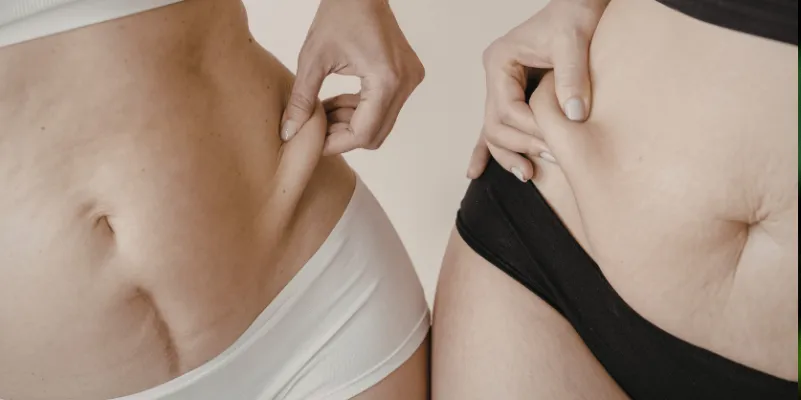
Chemo Changed My Body. Here is How I Learned to Be Okay With That.
Body Image & Cancer
Short and long-term changes to your body are common after cancer treatment. Not everyone reacts the same way, but many people feel self-conscious about their appearance. This can make it hard to socialise, be intimate with a partner or even spend time with loved ones when you are worried about how people will react.
I was fortunate to have an incredibly supportive partner who did his best to make me feel beautiful throughout my treatment. We talked openly about how the changes made me feel and how that impacted our relationship. That honesty was so important. It made everything less awkward, allowed him to support me better and took the pressure off on the days I was not feeling up to getting down and dirty.
Even through the steroid bloating, the no-eyebrows phase and the baldy head era, he never once made me feel unattractive. Which was great, because I was doing a fabulous job of that myself!
TIPS TO HELP YOUR BODY IMAGE DURING TREATMENT
1. Acknowledge and Accept
Acknowledge your body's new look, but try to be grateful for how incredibly hard it is working to get you through treatment. It is doing something extraordinary.
2. Talk Openly With Your Partner
If you have a partner, being honest about how you feel gives them the knowledge they need to support you. Do not assume they know what you need. Tell them.
3. Build Your Confidence
Wear clothes that make you feel good or get a friend to join you for a makeover. I treated myself to new pieces from my favourite labels and enjoyed dressing up and heading out for dinner occasionally. Small acts of feeling like yourself matter more than you might think.
4. Find Your People
Find a support group of people who are going through the same thing. I found Facebook groups were fantastic for this. Being around people who truly get it can make an enormous difference.
5. Prepare for Uncomfortable Questions
People's intentions are usually good, but questions about changes to your appearance can catch you off guard and be upsetting if you are not prepared. Having a simple, practised response ready can help you feel more in control of these moments.
6. Nourish Your Body
A healthy body leads to positive feelings. Eat nutritious food to support both your physical and mental wellbeing. At the same time, if you need cake to get you through the day, do not beat yourself up about it. Balance is everything.
7. Stay Active
Working out not only keeps you feeling good, it can also give you some control over how your body changes during treatment. Weight fluctuations are common during chemotherapy, but staying active can help manage the chemo kilos. I also found that keeping active helped reduce neuropathy.
8. Surround Yourself With the Right People
Spend time with people who make you feel good and accept you exactly as you are. I had a couple of what I called "safe" friends during treatment, and they were worth their weight in gold.
FIND THE FUN WHERE YOU CAN
Look for the light in everyday situations and see if you can turn some of the rubbish parts into something fun.
I hated having to wear a wig. Despite cold capping I lost about 50% of my hair, so I took my partner wig and headpiece shopping. We ended up having a genuinely great time trying on wigs and head scarves. He got quite into the scarves, as it turns out.
Doing some or all of these things can not only help improve your body image, it can also support your recovery both physically and mentally.
If you find yourself needing to talk to someone after reading this article you can call Lifeline on 13 11 14 or The Cancer Council on 13 11 20