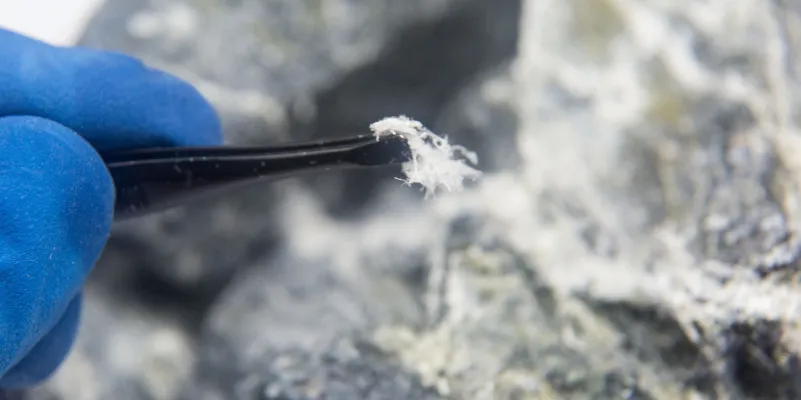
Asbestos: Hidden Danger In Your Home
What is Asbestos & Why Should You Care
I first published this post in 2023, since then a family friend who was a huge art of my childhood has passed away from Mesothelioma. He was an electrician for his whole career so had been exposed to asbestos before knowing the dangers. He left behind a loving family and I want to make sure no one else has to lose a loving husband, father and grandfather due to hidden asbestos.
As a cancer survivor and property flipper I am very aware of the dangers of asbestos and always take precautions when working on a project or my home.
Therefore, I am pleased to join forces with the team at asbestos.com to raise awareness of this hidden threat.
Mesothelioma, a highly destructive cancer primarily caused by asbestos exposure, targets the linings of the lungs, heart, or abdomen, leading to distressing symptoms and an extremely grim prognosis. At the Mesothelioma Center, patients and carers are offered an array of comprehensive resources at absolutely no cost to individuals navigating the challenging journey of cancer. Whether it's providing guidance during the diagnosis or aiding in coping with the loss of a loved one, their unwavering dedication is to empower and support those affected by this disease, ensuring they find comfort, solidarity, and access to optimal care.
Asbestos, was once hailed as a miracle material for its fire-resistant properties and durability, it is now infamous for its severe health hazards. Most people are aware that asbestos is a danger to health but not everyone knows where to look for it and how to keep themselves safe.
In many homes built before the 1980s, asbestos can be found in various materials. Here are some common materials to look out for:
Insulation: Especially in attics and walls, asbestos was used in insulation materials. Vermiculite insulation is a common source of asbestos contamination.
Flooring: Older vinyl floor tiles and adhesive can contain asbestos fibers. Asbestos may also be present in the backing of linoleum flooring.
Roofing: Roofing materials such as shingles and roof felt might contain asbestos.
Ceiling Tiles and Textured Paint: Asbestos-containing materials were often used in acoustic ceiling tiles and textured paint finishes.
Pipes and Ducts: Asbestos insulation was frequently applied to pipes and ductwork. Disrupting these materials can release asbestos fibers into the air.
Cement Products: Asbestos was used in cement-based products, including siding, roofing, and decorative features like flower pots.
If you are undertaking a home renovation project, you could unknowingly release asbestos fibers into the air, putting you and your family at risk. Disturbing asbestos-containing materials during renovations can release invisible asbestos fibers into the air, which can linger for extended periods.
Asbestos fibers are microscopic, making them nearly impossible to detect during a DIY project. Without proper precautions, individuals can inhale or ingest these fibers.
Prolonged asbestos exposure is linked to lung cancer, mesothelioma, and asbestosis. Even brief, intense exposures can pose significant health risks.
When planning renovations in older homes, assume asbestos presence and take necessary precautions. Seek professional assistance for testing and safe removal, there are many companies that do this. The process isn't a hard or expensive one when you consider the peace of mind it will provide and the health concerns you could avoid.
The health impacts of asbestos exposure can be severe:
Lung Cancer: Asbestos exposure is a major cause of lung cancer, especially among smokers. The risk increases with exposure duration and intensity.
Mesothelioma: This rare and aggressive cancer affects the lining of the lungs, abdomen, or heart and is primarily caused by asbestos exposure.
Asbestosis: Inhaled asbestos fibers can scar lung tissue, leading to asbestosis. Symptoms include shortness of breath, coughing, and lung damage.
Other Respiratory Issues: Asbestos exposure can result in non-malignant respiratory problems like pleural plaques, pleural thickening, and pleuritis.
Protecting your health and safety by avoiding asbestos exposure is crucial to mitigate the potentially devastating consequences of this hazardous material.
If you find yourself needing to talk to someone after reading this article you can call Lifeline on 13 11 14 or The Cancer Council on 13 11 20